Do You Actually Need Destination Dispatch — or Just Better Group Control?
Destination dispatch looks impressive in a bid presentation. It is also easy to overbuy. Before you lock a elevator destination dispatch system, look at the traffic study — not the brochure.
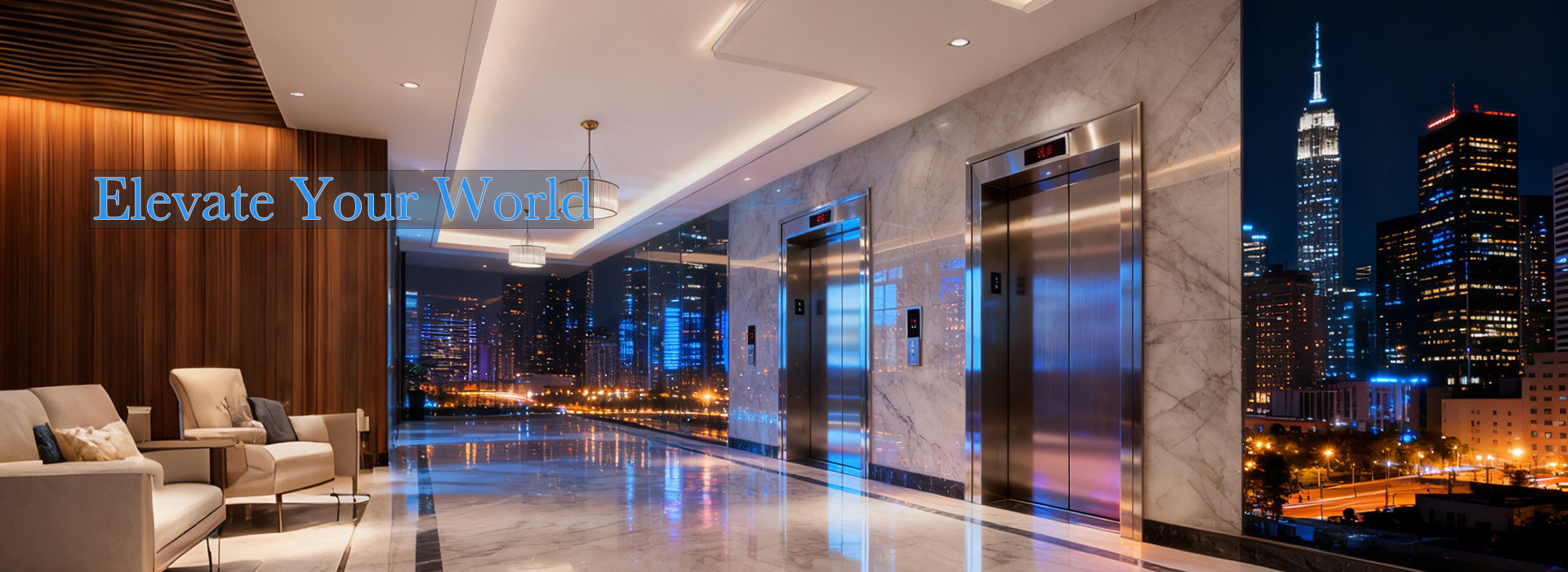
Where it earns its keep: sharp morning ingress in office towers, mixed-use buildings with overlapping peaks, hotels emptying ballrooms into the same lobby. Four or more cars serving many floors is usually the starting point for a serious discussion. A quiet residential mid-rise rarely needs lobby kiosks.
Infrastructure is the part people forget. Kiosks, card readers, network links between controllers, accessibility overrides — all of that is cost and coordination. Retrofitting a running bank is harder than designing it in. Ask whether the destination control elevator logic is native to the controller family or a bolted-on third party, and who sells spare HMIs five years later.
Sometimes an upgraded elevator group control strategy fixes 80% of the complaint without destination entry. We would rather say that upfront than sell a system the building will disable after opening.
If your high traffic elevator system is still on paper, send RITECH the floor count, population assumptions, and peak scenarios. We will tell you if dispatch is justified or if conventional collective control is the saner buy.