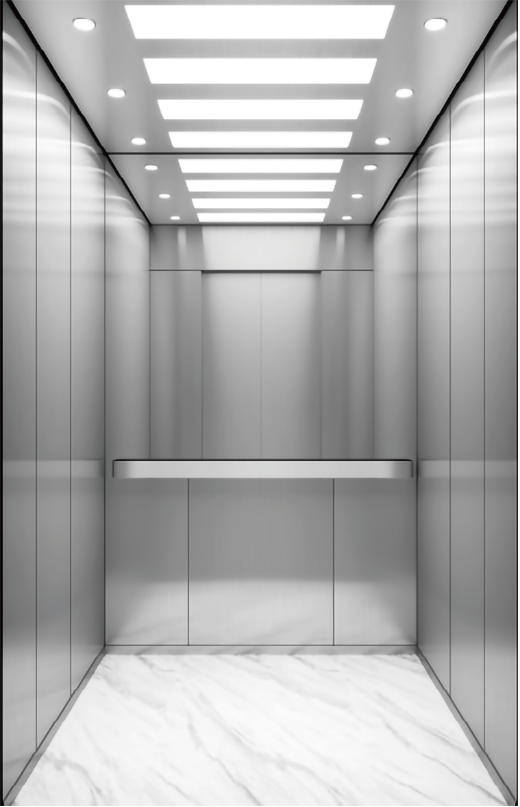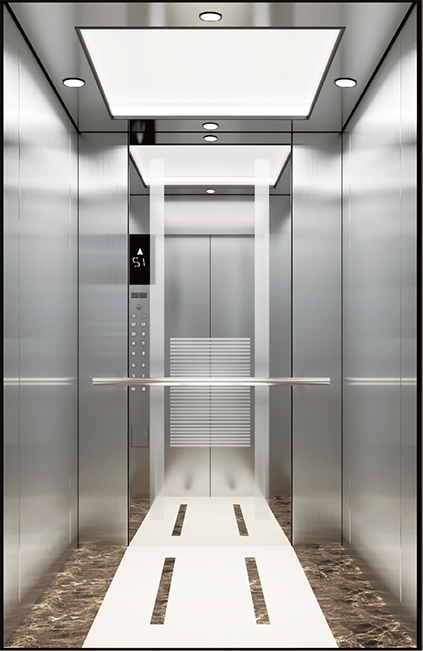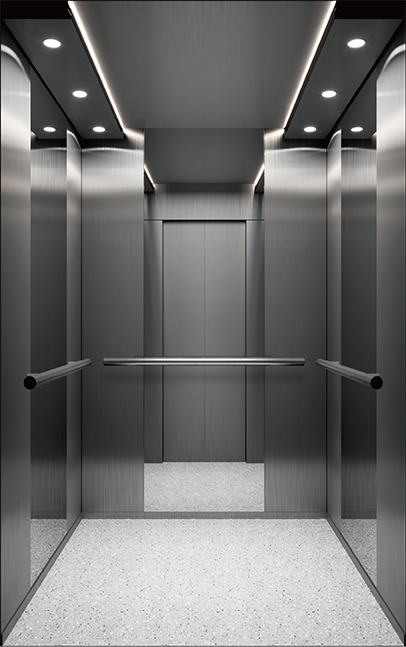
Firefighter Elevators Are Not Just a Controller Setting
Every few months a buyer writes: “Please enable fireman mode.” As if it were a checkbox. A real firefighter elevator (call it fire service or firefighting lift, depending on the code) usually needs more than a parameter file.

At minimum, clarify Phase I recall behavior, Phase II in-car control, how the fire alarm contacts the controller, and what happens on emergency power. Some markets also care about landing-door fire integrity, labeled keys, and water considerations in the pit. If those items are missing from the quotation, they are not “included by default.”
We map elevator fire recall inputs against the building’s fire panel early — dry contact type, which floor is the designated recall floor, whether two cars share logic. Leaving that to commissioning week is how projects miss occupancy dates.
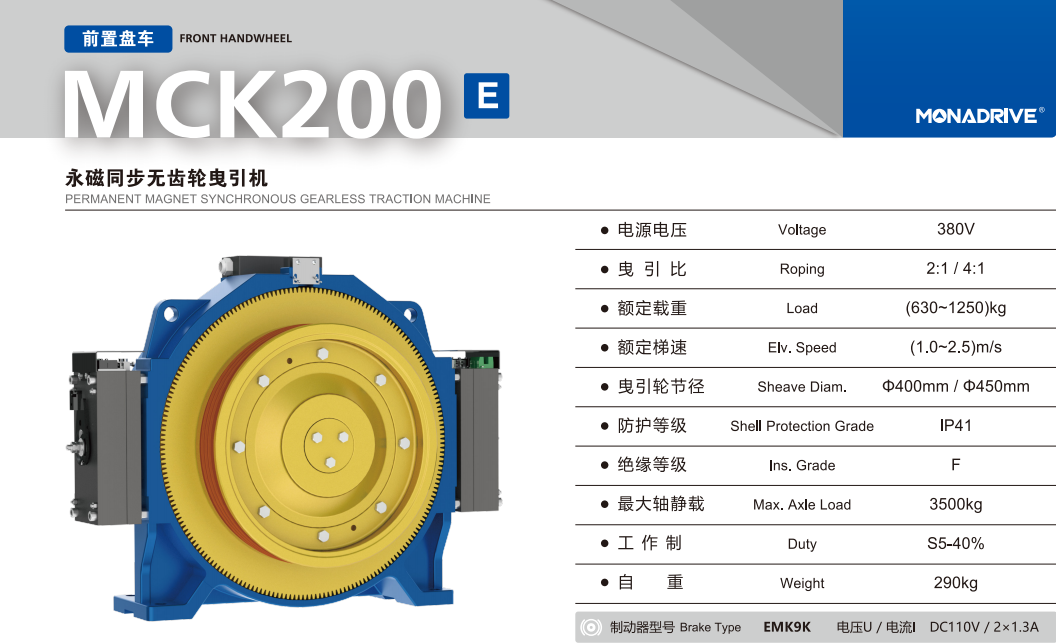
Documentation matters as much as the sequence. Inspectors want English wiring notes and a clear description of emergency elevator operation. RITECH can provide the package; the local fire consultant still owns code interpretation.
Before production, put the fire-service scope in writing. If you need a fire service elevator on an RTE-K bank, tell us the destination standard and we will say what is base, what is optional, and what must be done on site.