Gearless Traction Machines: What Buyers Should Ask Their Supplier
Introduction
Gearless permanent magnet synchronous (PMSM) traction machines have become the default choice for energy-efficient, low-noise elevator systems — especially MRL designs. Yet not all gearless units perform equally across load ranges, duty cycles, and climate conditions. This article lists essential questions for your elevator traction machine supplier and explains why each matters.
Question 1: What Load and Speed Envelope Is This Machine Designed For?
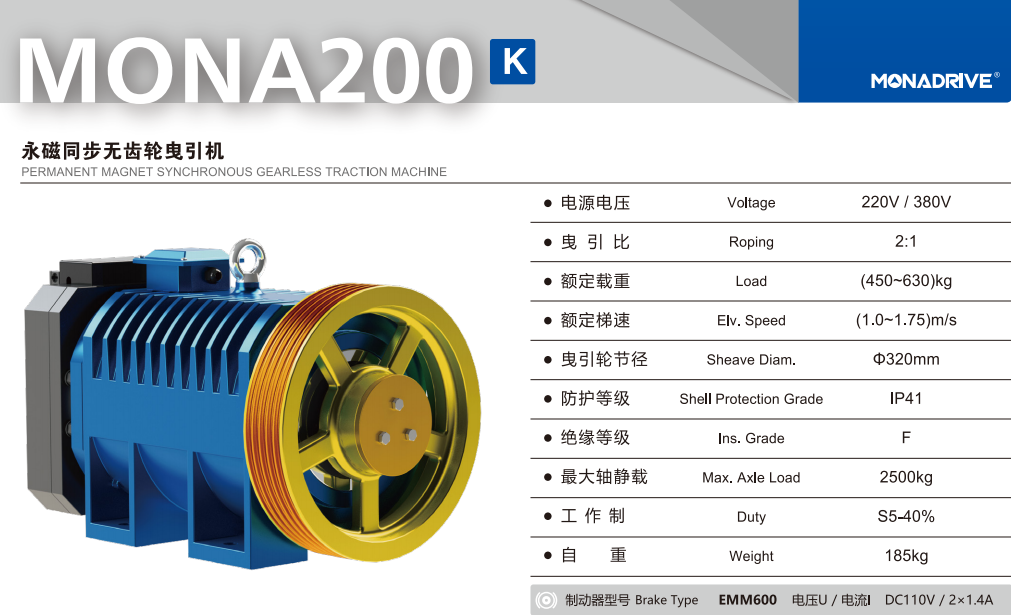
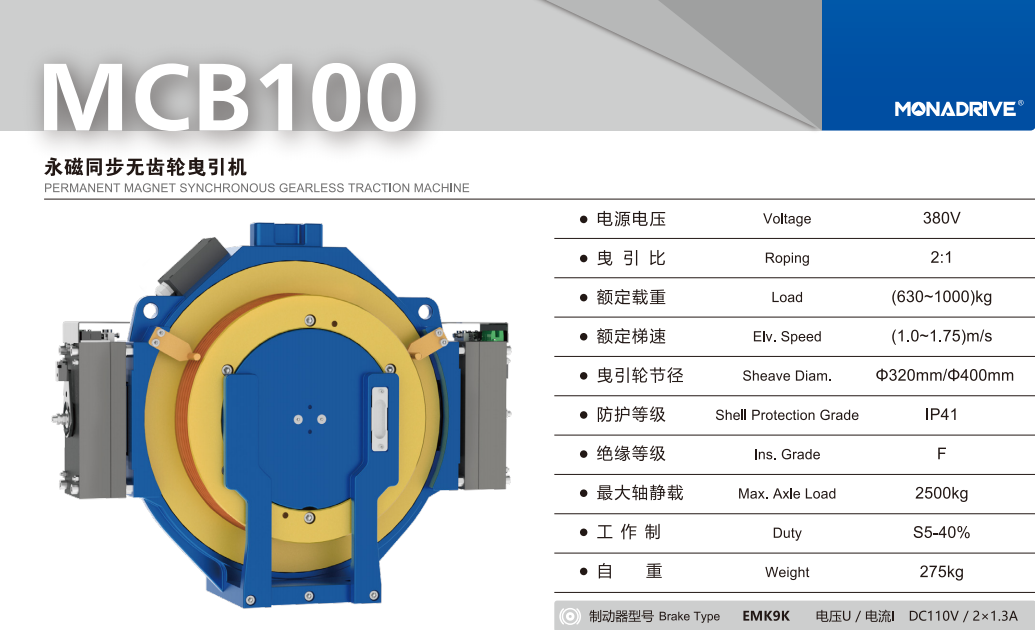
Gearless machines are optimized for specific torque-speed curves. Confirm continuous vs peak duty ratings and whether your application (passenger, bed, or freight) fits the envelope.
Question 2: Which Controllers Are Factory-Verified?
Ask for a compatibility matrix — not verbal assurance. Parameter download, encoder type, and brake control logic must match.
Question 3: What Is the Expected Noise Level?
Residential and hotel projects demand low noise and vibration. Request test data or reference installations in similar building types.
Question 4: How Is Braking Redundancy Handled?
Understand normal brake operation, emergency braking, and manual release procedures for rescue scenarios — critical for inspector approval and building safety plans.
Question 5: What Wear Parts Will I Need Over 10 Years?
Even gearless systems require bearings, brake components, and sensors. A responsible elevator traction machine supplier publishes a maintenance parts roadmap.
Question 6: What Installation Tolerances Apply?
Misalignment causes premature rope wear and noise. Obtain alignment tolerances for motor mount, sheave runout, and rope wrap angles.
Question 7: What Documentation Ships With the Machine?
Expect nameplate drawing, wiring interface diagram, commissioning checklist, and spare parts list — minimum.
Energy Efficiency and Building Certifications
Gearless PMSM machines contribute to lower energy use vs older geared designs — relevant for green building certifications. Ask your elevator traction machine supplier for efficiency curves if energy modeling is part of project approval.
Integration with Complete Elevator Programs
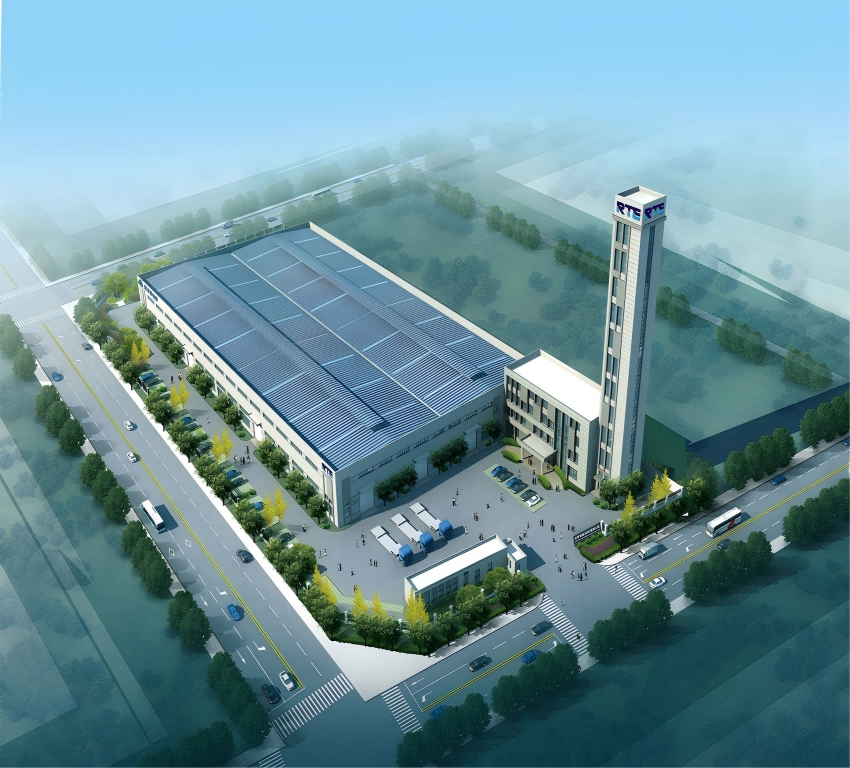
Buyers sourcing full elevators plus standalone traction machines benefit when the same partner — such as RITECH — supplies both complete RTE series units and MONADRIVE components. Technical continuity simplifies commissioning and future parts orders.
Conclusion
Gearless traction technology rewards informed buyers. Use structured questions to evaluate any elevator traction machine supplier — and prioritize partners who support the full lifecycle from specification through spare parts supply.