Why a Single Complete Elevator Supplier Cuts Project Risk
Introduction
Many international projects source the elevator cab from one vendor, door operators from another, and controllers from a third. On paper, this may look cheaper. On site, it often creates interface problems, warranty disputes, and extended downtime. Partnering with a complete elevator supplier consolidates accountability and technical alignment.
The Hidden Cost of Multi-Vendor Sourcing
When components are purchased separately:
- Interface mismatches appear during installation — door operator stroke vs controller parameters
- Warranty gaps leave the owner paying when vendors blame each other
- Spare parts confusion multiplies SKUs and storage requirements
- Training burden increases for maintenance teams learning multiple systems
How a Complete Elevator Supplier Reduces Risk
Unified Engineering
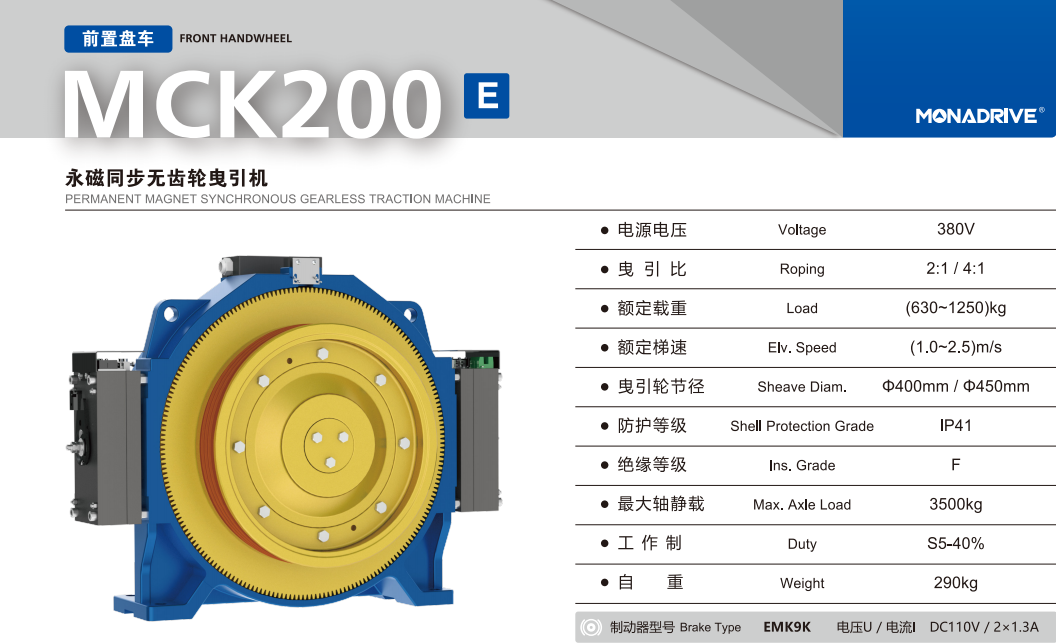
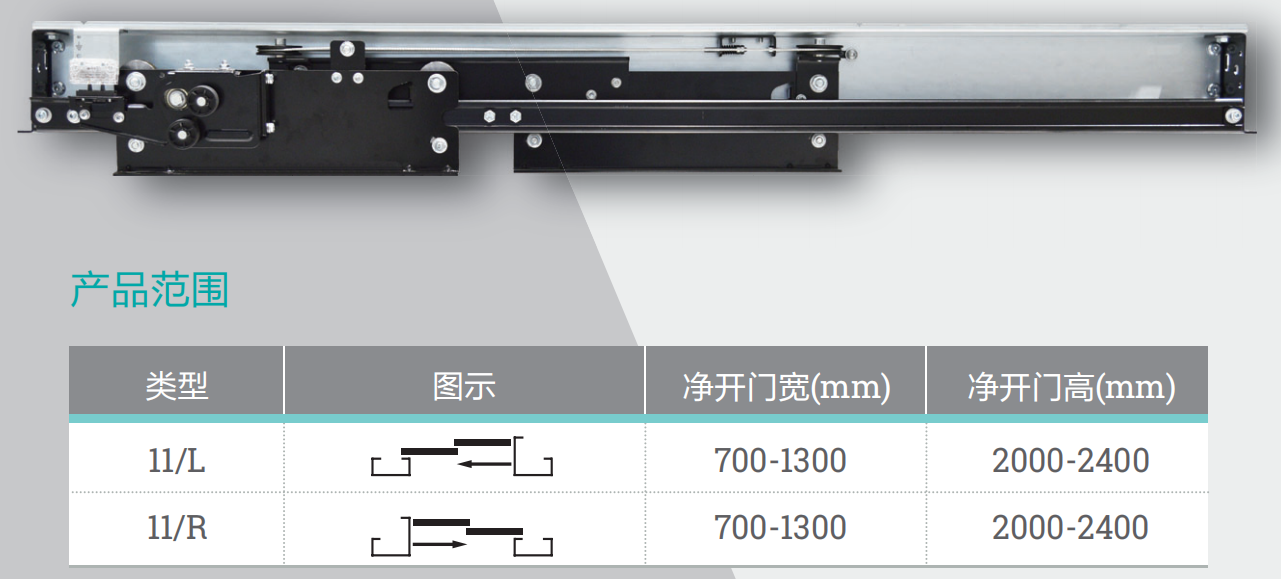
A complete elevator supplier designs or selects components as a system. Controller, door operator, safety circuit, and traction machine parameters are matched before production — not debugged on site under deadline pressure.
Single Point of Accountability
One contract, one technical contact, one spare parts channel. When an issue arises, there is no cross-vendor escalation loop.
Faster Commissioning
Installation teams receive consistent documentation and factory support tuned to the supplied system — reducing repeat visits and startup delays.
Lifecycle Parts Continuity
Modernization and repair depend on part number continuity. A complete elevator supplier maintaining its own parts catalog protects owners against obsolescence.
Case Scenarios Where Integration Matters Most
1. First-time importers without deep elevator engineering staff
2. Fast-track construction with tight commissioning windows
3. Remote regions where repeat service visits are expensive
4. Mixed portfolios — hotels, hospitals, and residential phases under one developer
Questions to Ask Your Supplier
- Do you manufacture or integrate the full system you quote?
- Can you supply replacement door operators and traction machines 5+ years later?
- Will the same team support installation queries and post-warranty parts?
- Do you offer modernization packages for your own and compatible third-party installs?
RITECH's Integrated Supply Model
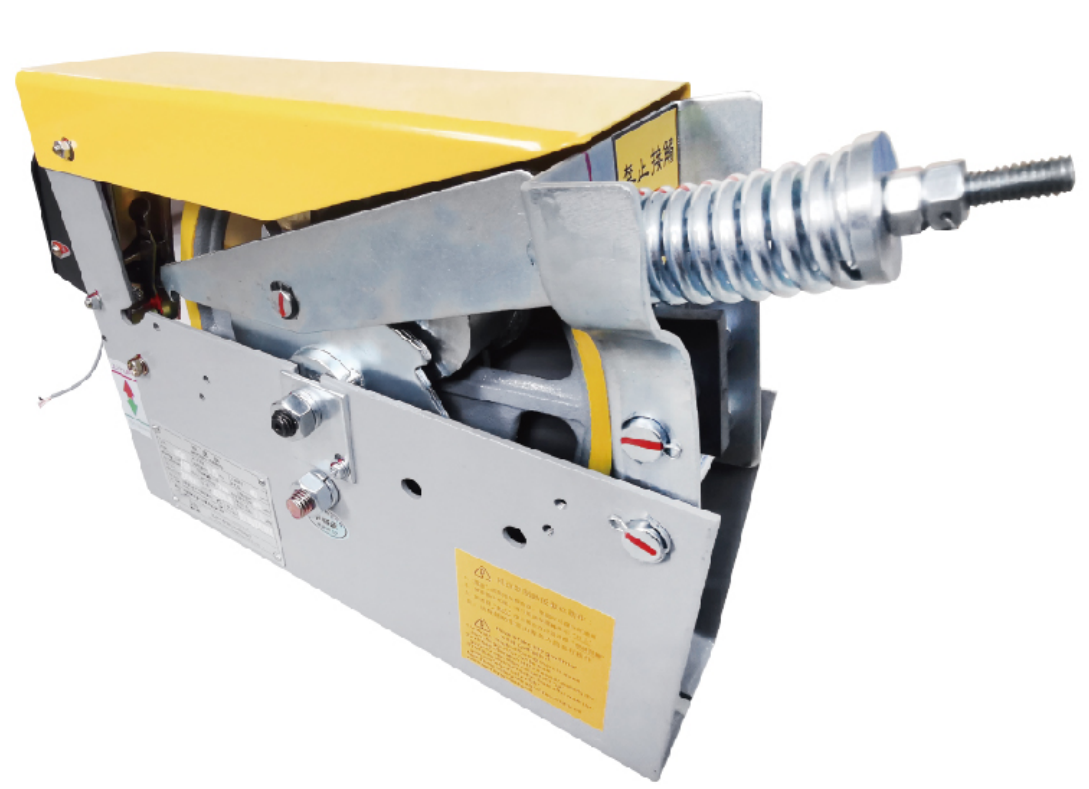
RITECH combines complete elevator production (RTE-K, RTE-G, RTE-V, RTE-Y, RTE-H series) with structured spare parts categories: traction machines, door systems, electric components, safety devices, and general parts. This integrated model aligns with the complete elevator supplier approach international developers prefer for risk control.
Conclusion
Project risk drops when engineering, manufacturing, and parts supply share one coherent system and one responsible partner. For overseas buyers, choosing a complete elevator supplier is a practical risk-management decision — not merely a convenience.