Complete Elevator Supplier Checklist for Overseas Projects
Introduction
Overseas projects suffer when buyers treat elevators as a single SKU purchase. In reality, you need a complete elevator supplier — a partner that covers manufacturing, component integrity, documentation, spare parts, and responsive support across the equipment lifecycle. This checklist helps procurement teams and consultants evaluate suppliers systematically.
Section 1: Product Range and Application Coverage
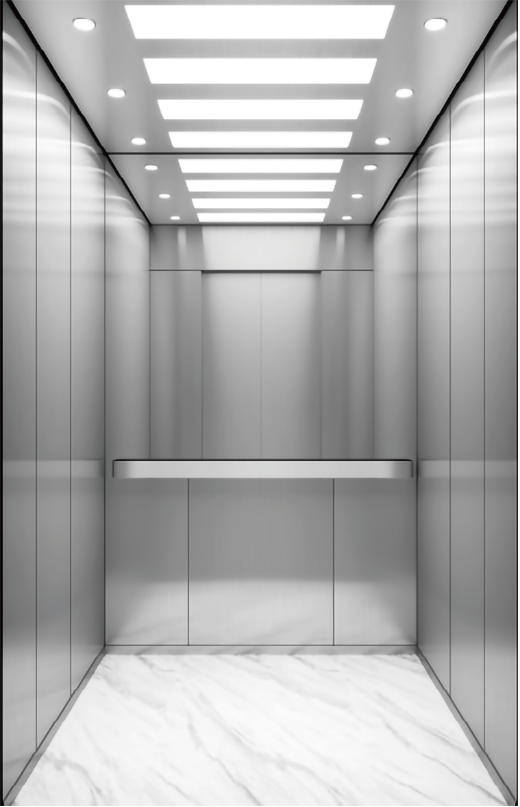
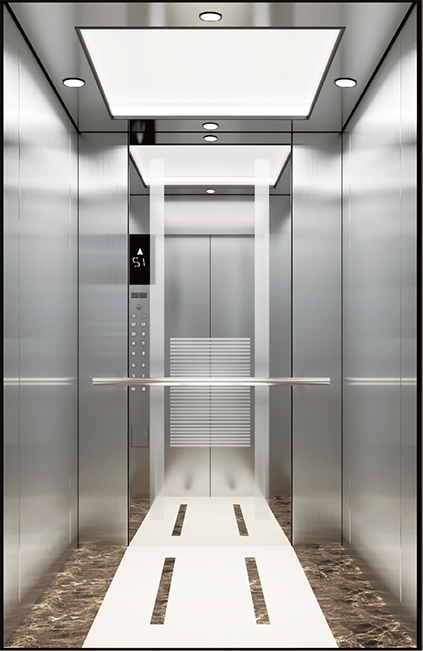
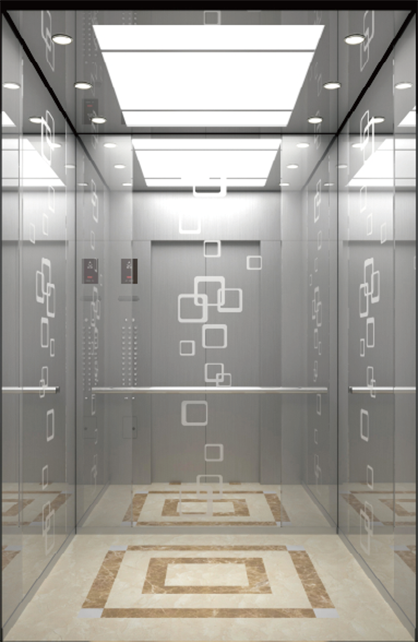
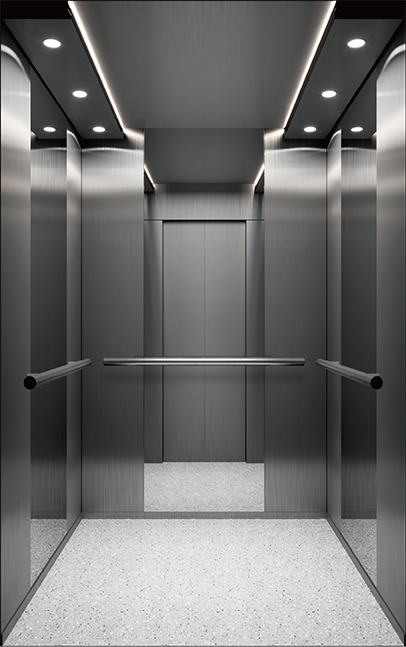
A complete elevator supplier should address multiple building types without forcing unsuitable models into every application.
Verify coverage for:
- Passenger elevators — mid-rise and high-traffic commercial use
- Observation elevators — architectural and scenic applications
- Villa/home lifts — compact shafts and residential aesthetics
- Bed/hospital elevators — stretcher compatibility and hygienic finishes
- Freight elevators — heavier capacity and durable cabin design

Section 2: Spare Parts and Component Access
Can the same supplier provide traction machines, door systems, safety components, and electrical parts after the warranty period? Fragmented sourcing increases downtime. Review their spare parts catalog structure and typical lead times.
Section 3: Technical Documentation Package
Request samples of:
- General arrangement drawings (GA)
- Electrical schematics
- Installation manual
- Maintenance schedule
- Parts list with part numbers
Incomplete documentation is a leading cause of installation delays abroad.
Section 4: Quality Management
Inspect whether the supplier documents:
- Material certificates for critical components
- Stage inspection records
- Pre-shipment test reports
- Non-conformance and corrective action process
Section 5: Logistics and Export Experience
A complete elevator supplier understands export packing, container loading sequences, HS codes, and customs documentation. Confirm who handles crating, fumigation (if required), and insurance.
Section 6: After-Sales and Training
Evaluate:
- Remote troubleshooting availability
- On-site commissioning support options
- Maintenance training for local teams
- Warranty scope — parts, labor, exclusions

Section 7: Commercial Terms
Clarify payment milestones, production lead time, delay penalties, and spare parts pricing policy for years 2–10 of operation.
RITECH as a Complete Elevator Supplier
Suzhou RITECH Elevator Co., Ltd. integrates elevator manufacturing with categorized spare parts — traction machines (MONADRIVE series), door systems (WITTUR KUNPENG, MITSUBISHI TYPE), and safety components (RTE-XSQ, RTE-AQQ series). This one-partner model simplifies procurement for international buyers seeking a complete elevator supplier.
Conclusion
Use this checklist during RFQ evaluation and factory audits. Score each supplier consistently; the lowest unit price rarely equals the lowest lifecycle cost. A complete elevator supplier reduces coordination overhead and protects building operability for years after installation.