Elevators Have Become A Pillar Industry in China.
After years of development, China's elevator industry has become an essential building equipment for modern social development, playing an irreplaceable supporting role in improving people's living standards, enhancing quality of life, and realizing the national policy of "energy conservation and land saving" in the construction industry. Meanwhile, due to its crucial function related to public safety and quality of life, elevators have long been classified as special equipment by the state. In recent years, driven by the robust development of real estate, rail transit construction, and airport renovation and expansion, China's elevator industry has experienced rapid growth, gradually becoming a shining gem in the country's equipment manufacturing sector.
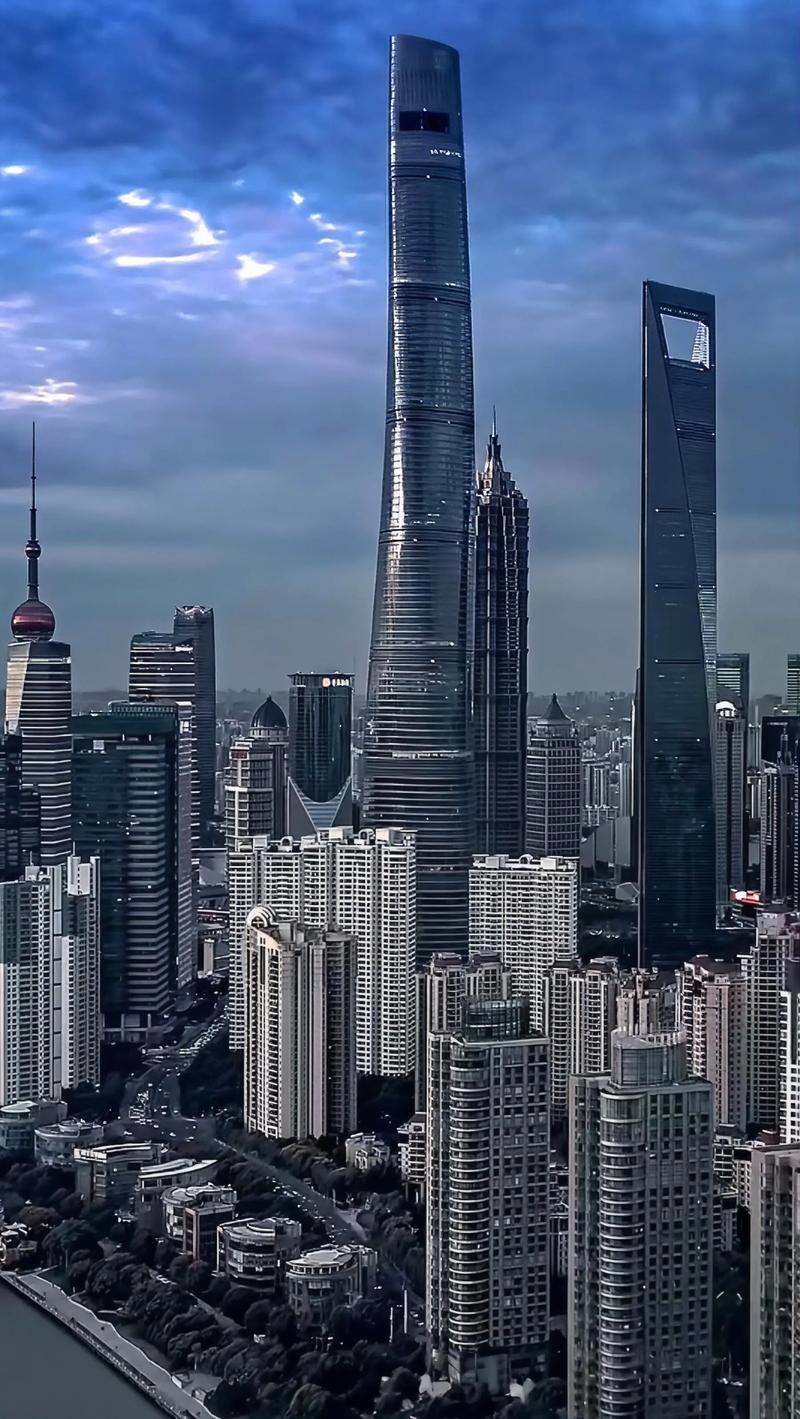
As
the largest elevator production and sales country, China has become the
world's largest producer and consumer of elevators. According to
statistics, in 2013, China's annual elevator demand exceeded 450,000
units, accounting for 60% of the global market demand. By 2014, elevator
production reached 708,000 units, and the total number of elevators in
operation surpassed 3.5 million. It is estimated that by 2015, the
number of elevators in operation will reach 4.2 million.
Currently,
although China has become the world's primary production base and
consumer market for elevators, the penetration rate of elevators in
China still lags significantly behind that of developed countries in
Europe and America. Data shows that by the end of 2011, the per capita
number of elevators in China was approximately 700 people per unit,
close to the world average but still far below the level of 100-200
people per unit in developed countries. The saturation level of China's
elevator market is estimated to be around 7 million units. Compared with
the approximately 2.45 million elevators in operation in 2012, there
remains a growth potential of about 4.5 million units in China's
elevator market.
Four major factors are driving the development of the industry:
First,
the growth of commercial real estate. With the continuous progress of
urbanization in China, cities need to construct more office buildings
and commercial premises to support the ongoing development of the local
tertiary industry while providing convenience for urban residents' daily
lives. Additionally, to showcase city images, various regions typically
choose to construct large-scale super high-rise buildings (vertical
height exceeding or equal to 300 meters). According to data from China
Construction Technology Network, by the end of May 2014, China had
completed 25 super high-rise buildings, 11 more than the second-ranked
United States. With 78 super high-rise buildings under construction in
China, compared to 47 in all other countries combined, it is evident
that the continuous increase in building heights in China will
inevitably drive substantial elevator demand.
Second, the
increase in urban infrastructure construction. The stable growth of the
macroeconomy has driven the continuous improvement of China's
urbanization rate. According to data from the National Bureau of
Statistics, in 2012, China's urbanization rate was 52.57%. According to
the overall goal of building a moderately prosperous society in all
respects, China's urbanization rate will reach 60% by 2020. The
continuous increase in urbanization rate has driven the expansion of
public infrastructure construction such as airports, railway stations,
hospitals, and stadiums, leading to increased elevator procurement.
Third,
the increase in old elevator replacement and old building renovation.
In the field of old elevator replacement, elevators operating beyond
their prescribed service life pose significant safety hazards. According
to the "Regulations on the Safety Supervision of Special Equipment"
issued by the State Council, "Special equipment with serious potential
safety hazards, no renovation or maintenance value, or exceeding the
service life specified in safety technical specifications shall be
promptly scrapped by the user unit." In the field of old building
renovation, with the improvement of social economic levels and
population aging, the demand for installing elevators in existing
buildings has drawn government attention. The Ministry of Construction
has listed special projects in the "11th Five-Year Plan" key technology
support program to study the renovation of existing buildings,
particularly establishing a special topic on how to renovate and install
elevators in existing buildings nationwide, conducting comprehensive
research on policies, investments, technologies, standards, renovation
plans, demands, and approval procedures.
Fourth, the development
of export markets. As domestic enterprises increase research and
development of high-end elevator products and achieve breakthroughs in
key technologies, the number of elevator imports has gradually
decreased. Meanwhile, with the continuous improvement of domestic
elevator product technology and quality, and leveraging relatively low
production costs, the competitiveness of Chinese elevators in the
international market has gradually become prominent. Chinese elevator
brands are increasingly recognized in overseas markets, resulting in
substantial product exports.