Pit Buffers: Pick for Speed and Stroke, Not for the Lowest Line Item
Buffers sit in the pit until the day something goes wrong — then everyone cares. Choosing elevator buffer types by price alone is how teams discover the pit is too shallow after the walls are cast.
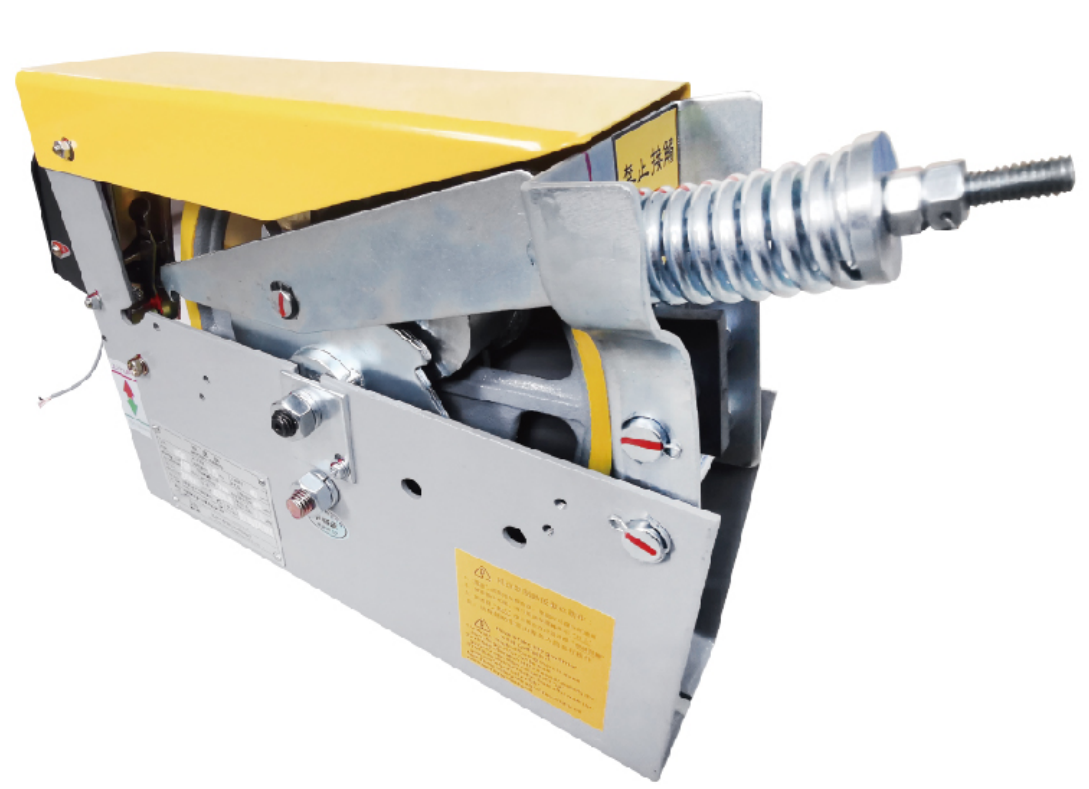
Oil buffers remain common at higher speeds and need oil-level checks. Polyurethane energy-dissipating units can be compact within their rated range. Spring buffers belong only where the code and speed allow. The stroke and residual space feed directly into minimum elevator pit buffer depth.
If the traffic consultant later raises rated speed, revisit buffers immediately. A speed bump is not a free software change; it can force a deeper pit or a different energy rating.

Keep the exact model on the spare list. Replacing an elevator oil buffer with a random substitute can fail inspection. RITECH supplies safety packages (buffers with governors and safety gears in the broader RTE-XSQ related ecosystem) — ask for the rating table against your load and speed, not a generic “pit kit.”