Elevator COP and LOP Systems: Selection, Accessibility, and Spare Parts
Introduction
Car operating panels (COP) and landing operating panels (LOP) are the primary human interface for every elevator ride. Beyond aesthetics, they govern accessibility compliance, integration with controllers, and long-term maintainability when buttons, displays, or communication modules fail. Selecting the right elevator control panel supplier prevents costly field replacements and inspection failures.
RITECH configures COP and LOP options across its complete elevator lines and component export programs. This guide helps specifiers evaluate elevator control panel supplier offerings for new installations and modernizations.
COP Configuration Options
Car panel decisions include:
- Button type — mechanical, touch-sensitive, or hybrid
- Display — TFT LCD floor indicator, dot matrix, or segment
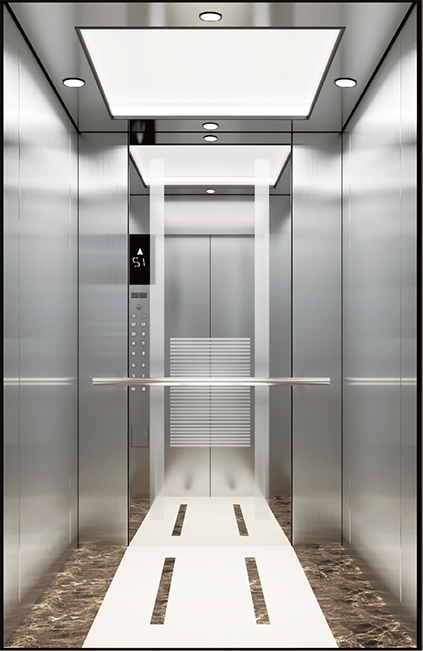
- Accessories — emergency alarm, intercom, key switch, fan/light controls
- Finish — stainless, glass, or custom decorative panels
- Protocol — proprietary serial, CAN, or standardized bus to controller
Request compatibility matrix linking COP models to controller firmware versions.
LOP and Hall Landing Design
Landing panels must align with architectural intent and code:
- One LOP per entrance — up/down buttons, arrival chime interface
- Accessibility — braille, audible floor announcement, button height per EN 81-70 or ADA
- Firefighter LOP — where required for fire service operation
- Destination dispatch terminals — in lobby for group control systems
Mismatch between LOP protocol and controller causes commissioning delays — verify bus architecture early.
Accessibility and Multilingual Requirements
Export projects often require:
- Braille floor numbers and symbol buttons
- Audible direction and arrival signals
- Visual and tactile contrast for partially sighted users
- Multilingual COP/LOP labels — English plus local language
Your elevator control panel supplier should provide certification evidence for accessibility configurations sold into regulated markets.
Integration with Controller and BMS
Modern panels communicate beyond simple floor calls:
- Group control and priority floors — VIP, service, and fire modes
- BMS integration — status, fault codes, and energy monitoring via gateway
- Access control — card reader or QR interfaces on LOP or COP
Confirm open protocol documentation if third-party integrators join the project.
Spare Parts and Retrofit Compatibility
COP/LOP failures are common maintenance events:
- Button and display module part numbers — field-replaceable vs full panel swap
- Cosmetic spare panels — match original finish years after installation
- Backward compatibility — new panel generations with older controllers
Lock spare parts pricing for COP/LOP modules at contract stage — high markup panels inflate maintenance cost.
Modernization and Upgrade Paths
Retrofit projects may require:
- New COP/LOP with legacy controller adapters
- Touch panel upgrades for premium cabin refresh
- Communication module replacement for code updates
Ask your elevator control panel supplier for modernization kits with documented wiring adapters.
Conclusion
COP and LOP selection balances UX, accessibility, controller integration, and spare parts economics. Partner with an elevator control panel supplier who documents protocols, stocks field modules, and supports retrofit paths across product generations.
Suggested CTA: Contact SUZHOU RITECH ELEVATOR CO., LTD. for COP/LOP catalogs, accessibility options, and controller compatibility charts.