Elevator Door Parts Manufacturer: Components, Standards, and Replacement Tips
Introduction
Industry data consistently shows door systems account for a large share of elevator service calls. Sourcing from a qualified elevator door parts manufacturer — or a manufacturer-backed supplier — reduces repeat failures and compatibility risks. This article explains key components, applicable standards, and replacement best practices.
Main Components in an Elevator Door System
Door Operator
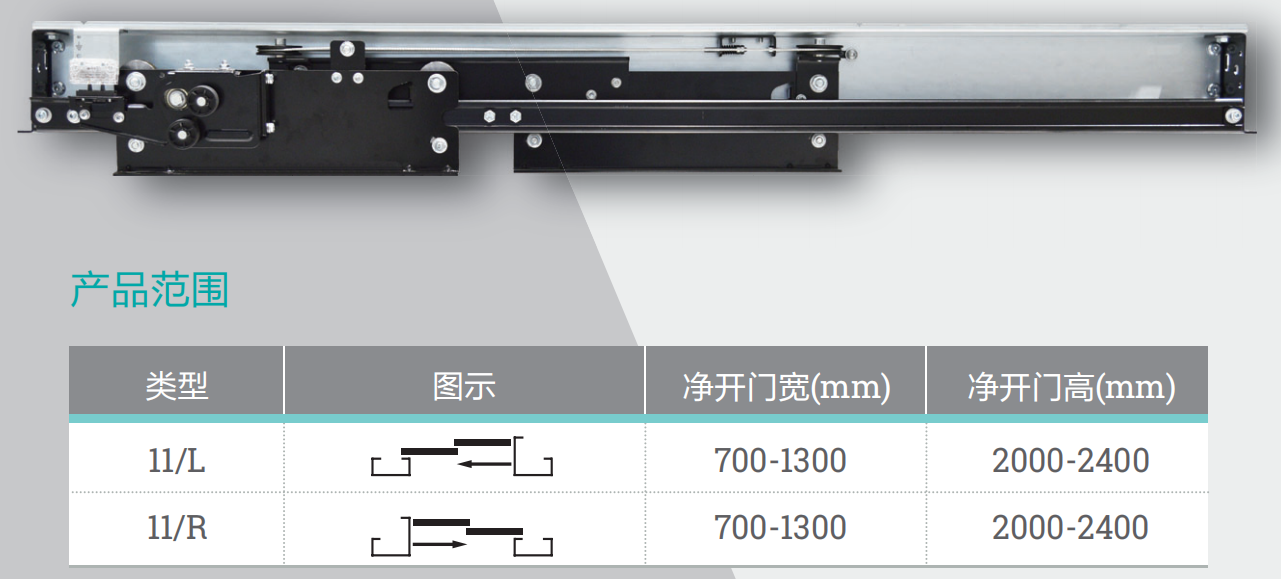
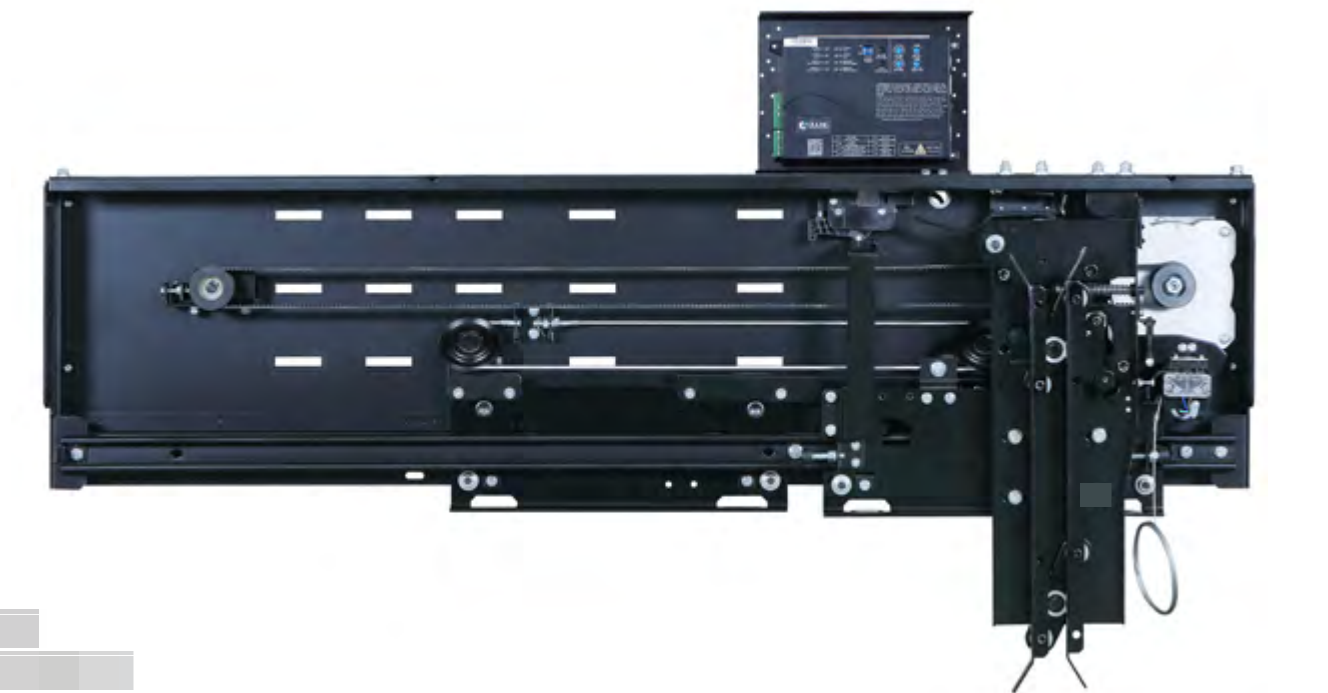
The operator drives opening/closing via motor, belts or linkage, and control interface to the elevator controller. Parameters include opening width, opening time, and torque profile.
Car Door Assembly
Includes door panels, sill, guides, and safety edge devices mounted on the car frame.
Landing Door Assembly
Each floor has landing doors interlocked with the car door — preventing opening when the car is not present at level.
Locks and Interlocks
Mechanical and electrical interlocks enforce code-required safety chains.
Accessories
Door rollers, belts, sills, gaskets, and proximity sensors wear over time and dominate maintenance SKUs.
Standards and Compliance Considerations
Depending on market, door systems must align with regional codes (e.g., EN 81 series, ASME A17.1). When buying from an elevator door parts manufacturer, confirm:
- Certified interlock types
- Fire-rated door requirements (if applicable)
- Test reports for operator endurance cycles
Using non-certified door components can void inspection approval.
Common Failure Modes
1. Worn rollers causing misalignment and noise
2. Belt stretch on operators — incomplete close or reopen loops
3. Interlock contacts fouled — elevator refuses to run
4. Sill gap issues — trip hazards and door re-open faults
Replacement Tips from the Field
- Replace rollers and belts in pairs where symmetry matters
- After operator swap, recalibrate open/close limits on controller
- Clean sills before adjusting door panels — debris mimics mechanical fault
- Keep landing and car door component families matched — mixed generations often conflict
Choosing an Elevator Door Parts Manufacturer
Evaluate manufacturing consistency, model documentation, controller compatibility lists, and export support. Manufacturers integrated with complete elevator production — such as RITECH — typically maintain clearer cross-reference data for door systems supplied on factory installations.
Conclusion
Doors are high-cycle, safety-critical assemblies. Partnering with a capable elevator door parts manufacturer and following disciplined replacement procedures keeps passengers moving and service costs predictable.